
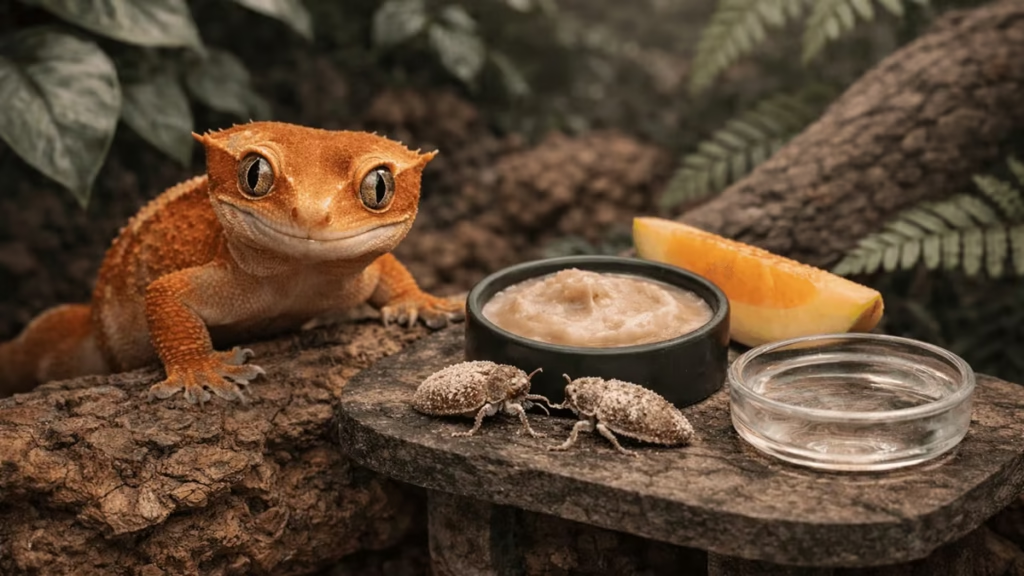
Finding the perfect crested gecko diet plan shouldn’t feel this confusing, but here you are. You mixed the powder exactly like the instructions said. Put it in the bowl. Waited.
Nothing happened.
Your crested gecko walked right past it like the food didn’t exist. That was two days ago, and you’re starting to worry. Maybe you bought the wrong brand? Should you try live crickets instead? Is something actually wrong with your gecko?
Look, I get it. I’ve talked to hundreds of first-time gecko owners going through this exact panic. Most of the time, it’s something simple you can fix tonight.
The Short Answer: Crested geckos do best on complete gecko diet (CGD) given daily for babies or every 2-3 days for adults, plus calcium-dusted bugs 1-2 times each week. Pangea, Repashy, and Arcadia are the brands that actually work. Just mix them with water until they look like ketchup.
Why Crested Gecko Diet Is Different
Your crestie isn’t like your dog or cat. Not even close.
These little guys evolved in New Caledonia’s rainforests. They spent thousands of years eating mushy overripe fruit, flower nectar, and whatever bugs they could catch at night. That wild diet shaped everything about how their bodies work.
Calcium is the big deal here. Without enough calcium, your gecko’s bones literally can’t form properly. You’ll start seeing bent legs, weak grabs when they hunt, shaky movements. It’s called metabolic bone disease (MBD), and it can kill them.
Most bugs have terrible calcium levels. Crickets actually have about nine times more phosphorus than calcium. That’s backwards from what your gecko needs. They need roughly two parts calcium to one part phosphorus.
That’s why the powder diets exist. They fix the calcium problem and give your gecko all the fruit-based nutrition they’re craving.
The Best Crested Gecko Food & Brands (What Actually Works)
Easiest way to feed your gecko? Get a good crested gecko diet powder and mix it with water. These complete diets replace all the complicated fruit-and-bug combinations people used to do.
Brands that reptile vets actually recommend:
When looking for a high-quality crested gecko diet powder, selecting the right nutrition is crucial for your pet’s health. That is why trusted options like Repashy crested gecko food and Pangea crested gecko food remain at the top of the list.
Skip the cheap stuff from Petco or PetSmart. Those National Geographic and Exo Terra brands? They look good on the shelf, but the nutrient ratios are often way off. I’ve seen too many geckos get sick from them.
Mixing your CGD: One part powder, one part water. Mix it until it looks like ketchup or a fruit smoothie. Some geckos like it thicker, some like it runny. Start with the standard mix and see what yours actually eats.
Most cresties won’t eat off the floor. Get a wall-mounted feeding ledge and stick it halfway up the tank. For more on where to place your ledge, check out our crested gecko enclosure setup guide. One cup for the mixed food, another cup for fresh water.
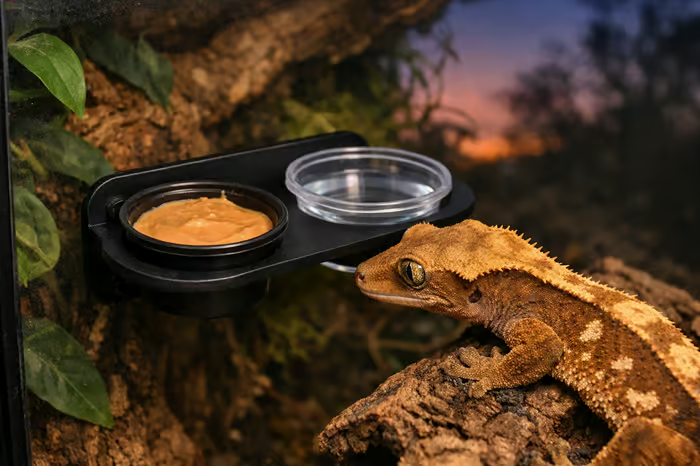
Your gecko will probably pick a favorite flavor and refuse everything else. My male was eating Pangea With Insects for months until I accidentally gave him Repashy one night. Now he won’t touch the Pangea. Geckos are weird like that. Try a few flavors and stick with whatever they’ll eat.
When to Feed Your Crested Gecko (By Age)
Baby geckos (0-12 months):
- CGD: Every single day
- Bugs: 1-2 times a week
Babies grow fast. They need food every day to build healthy bones and put on weight. If your new baby gecko won’t eat at first, relax. New geckos usually take 3-10 days to settle in before they’ll eat.
Adult geckos (12+ months):
- CGD: Every 2-3 days
- Bugs: Once a week
Adults are just maintaining their weight, not growing anymore. You’ve got more flexibility here. Actually, it’s totally fine to skip a feeding every 2-4 weeks for adults. Helps them use their fat stores and keeps them from getting chunky.
Best time to feed: Put food out in the evening when the lights are going down. Crested geckos wake up at dusk and dawn that’s when they’re hungry. Pull out any leftover CGD after 24 hours or it’ll grow bacteria.
Watch your gecko’s body. Adults should look solid without showing ribs or hip bones. If you see fat rolls on their sides, you’re feeding too much. If their tail looks skinny and bony, bump up the food.
How to Feed Insects the Right Way
Live bugs give your gecko exercise and keep them mentally sharp. Plus they help baby geckos grow faster. But you can’t just toss crickets in the tank and call it done.
Good feeder insects:
- Dubia roaches – Better calcium than crickets, can’t climb glass
- Crickets – Easy to find at any pet store, geckos love hunting them
- Black soldier fly larvae – Loaded with calcium, super soft
Don’t feed:
- Meal worms or super worms (too hard to digest, can cause blockages)
- Any bugs you find outside (pesticides and parasites)
Size rule: The bug should be no wider than the space between your gecko’s eyes. This stops choking and makes digestion easier.
Step 1: Gut-Loading (24-48 Hours Before)
Feed your bugs good food before you feed them to your gecko. Whatever nutrition the bugs eat gets passed to your gecko.
Use something like Repashy Bug Burger or Arcadia InsectFuel. Dark leafy greens work too—collard greens, mustard greens. Add some water crystals so the bugs don’t dry out.
Step 2: Dust with Calcium
Drop the bugs in a small cup, add calcium powder, shake it around until they’re coated.
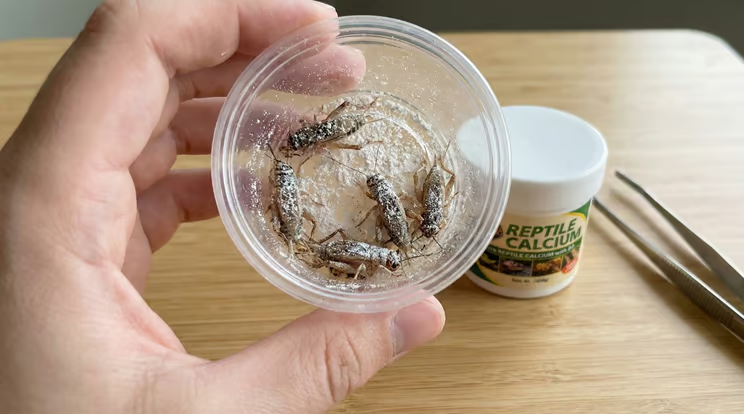
Don’t overdo the calcium powder. A fine white coating over the insects is all that’s needed for proper supplementation (as shown in the image above)
- No UVB light in your tank? Use calcium WITH D3
- You have UVB lighting? Use calcium WITHOUT D3
Here’s why this matters. D3 helps geckos actually absorb calcium into their bones. UVB light makes their skin produce D3 naturally. If you don’t have UVB, you need to give them D3 in the powder. If you DO have UVB and still give D3 powder, you can poison them with too much.
Step 3: Time to Feed
Let the bugs loose in the evening. Only give as many as your gecko can eat in 10-15 minutes. Hungry crickets will actually bite your gecko’s feet and tail if you leave them overnight. Not kidding.
For shy geckos, try feeding a few bugs with tongs to help them gain confidence.
Temperature Affects Appetite (Most People Miss This)
Here’s something that catches new owners off guard: your gecko won’t eat if the temperature is wrong.
Crested geckos are cold-blooded. They need heat from their environment to digest food. Too cold? Their metabolism crashes. Too hot? They get stressed out and stop eating.
Good temperature range:
- During the day: 72-78°F (22-26°C)
- Warm spot at the top: Can go up to 80-82°F max
- NEVER go above 85°F—this will literally kill them from heat stroke
Most houses stay around 70-75°F naturally, which works great without extra heat. If your place runs cold in winter, add a low-wattage heat lamp at the top of the tank.
Get a digital thermometer to check temps. Those stick-on strips from pet stores? Complete garbage. They’re off by 5-10 degrees and can lead to you accidentally cooking your gecko.
If your gecko suddenly quits eating, check the temperature first. It’s the number one reason geckos stop eating.
What About Fresh Fruit?
Wild crested geckos primarily eat fruits that have fallen from trees, such as super ripe figs, bananas, and soft berries.
In your tank, treat fruit as once or twice a month only. Store-bought fruit has way more sugar than wild fruit. Too much makes your gecko ignore their balanced CGD and only want the sweet stuff. That leads to malnutrition.
Safe fruits:
- Mango, papaya, apricots (soft and mushy)
- Berries, figs
- Banana (not too often. lots of sugar)
Don’t feed citrus. Nothing hard or crunchy either.
Honestly? Most experienced keepers don’t feed fruit at all. The commercial diets already have fruit ingredients mixed in the right amounts with all the vitamins and minerals.
Mistakes First-Time Owners Make
Mistake 1: Using baby food from the grocery store
You might have heard this works, but it actually does not. Baby food contains preservatives, artificial colors, and nutrients designed for human infants rather than reptiles. You should use a gecko-specific diet instead.
Mistake 2: Only feeding bugs
Bugs alone can’t give your gecko everything they need. They need the fruit-based carbs and vitamins in CGD. An all-bug diet causes deficiencies.
Mistake 3: Adding extra calcium powder to the CGD
Commercial diets already contain balanced calcium. Adding more can prevent your gecko from absorbing other essential minerals. You should only dust the insects and avoid adding anything extra to the Crested Gecko Diet (CGD).
One exception: Female geckos laying eggs need extra calcium. Give them a small dish of plain calcium powder (no D3) they can lick when needed.
Mistake 4: Leaving food out too long
CGD goes bad fast, especially in warm humid tanks. Take it out after 24 hours. Bacteria can make your gecko sick.
Exotic Pet Nutritionist Pro Tips
CGD-Only Diet Is Fine
Here’s something most people don’t know: If your gecko eats CGD but ignores bugs, that’s okay. The commercial diets are nutritionally complete on their own—bugs just add fun.
Water Bowls Are Essential
Water bowls matter more than you think. Cresties drink from bowls too. Most feeding ledges have room for two cups. One for food, one for water. Change water every 2-3 days.
Fresh Is Best
CGD powder doesn’t last forever. Once opened, vitamins start breaking down. Buy smaller bottles you’ll finish in 3-4 months instead of those giant tubs.
Seasonal Changes
Your gecko might eat less in winter even if the tank temp stays the same. It’s built into them. Don’t freak out unless you see actual weight loss.
Troubleshooting Common Feeding Problems
|
What’s Happening |
Why It Happens |
What to Do Right Now |
|---|---|---|
|
Won’t eat for 3-10 days after bringing them home |
Normal stress from moving |
Keep offering food, don’t handle them much, make sure temps are 72-78°F |
|
Eats bugs but won’t touch CGD |
Just prefers hunting live prey |
Cut bugs down to once a week, try a different CGD flavor, mix in a tiny bit of mashed fruit |
|
Won’t eat anything for 2+ weeks |
Temperature problems, stress, or sick |
Check temps with a digital thermometer, look for stuck shed or injuries, call an exotic vet if it goes past 3 weeks |
|
Getting fat with visible rolls |
Feeding too often |
Cut back—adults can eat every 3-4 days instead of every 2 |
|
Skinny tail, can see hip bones |
Not eating enough or has parasites |
Feed daily, give calorie-rich bugs like waxworms, schedule a vet visit to check for parasites |
How Long Can Crested Geckos Go Without Food?
Healthy adult geckos can survive 2-3 weeks without food. Baby geckos have very little fat stored in their bodies. If a hatchling or juvenile stops eating for more than 5 to 7 days, you should take them to an exotic vet immediately.
But there’s a difference between surviving and doing well. If your gecko hasn’t eaten in a week, something’s wrong.
Check these things in order:
- Temperature – This is usually the problem
- Stress – New home, too much handling, lights on at night
- Food preference – Maybe they hate that flavor
- Health issues – Stuck shed, mouth injury, parasites
After two weeks of not eating, book a vet appointment. Don’t wait any longer.
A Real Success Story
Last month I helped someone whose baby gecko wouldn’t touch crested gecko diet for 10 straight days. The gecko would walk up to the bowl, lick it once, then leave. Temperature was perfect at 75°F, humidity looked good, everything seemed fine.
We tried three things. First, switched from Pangea Apricot to Repashy Grubs ‘N Fruit. Same result—one lick and walk away. Second, I had them mix the powder a bit thinner and add one tiny drop of bee pollen as an appetite booster. Third, we moved feeding time from 8 PM to right at dusk around 6 PM when the gecko was most active.
That combination did it. Three days later, the gecko was eating normally. Strong licks, excited when the bowl showed up. Two months down the road, Now, they are doing great. The gecko is eating Repashy daily and taking dusted crickets twice a week. It is finally gaining weight and showing healthy, bright scales.
Sometimes you just need to mess with the timing and how you present the food.
What is the best diet for a crested gecko?
The best diet is a high-quality commercial powdered diet like Pangea or Repashy, mixed with water. These complete diets contain the perfect balance of calcium, vitamins, and protein. You should also offer calcium-dusted insects (like crickets or dubia roaches) 1-2 times a week for variety and exercise.
Do crested geckos need UVB lighting?
While not strictly required for survival, UVB is highly recommended. Recent studies show that a low-level UVB light (Shadedweller or 5.0 bulb) helps strengthen their immune system and allows them to synthesize Vitamin D3 naturally, leading to stronger bones and better overall health.
Why does my crested gecko only eat at night?
Crested geckos are crepuscular and nocturnal. That means they are most active during dawn, dusk, and nighttime. They naturally sleep during the day and hunt or forage at night. Always place fresh food in their tank in the evening (around 6-8 PM) to match their natural feeding cycle.
What food can crested geckos not eat?
Never feed your gecko citrus fruits, avocado (which is toxic), onions, or rhubarb. Also, avoid insects with hard shells like mealworms or superworms as they can cause impaction (digestive blockage). Never feed wild-caught bugs as they may carry parasites.
Can a crested gecko eat fruit?
Yes, but only as an occasional treat (1-2 times a month). Safe fruits include mashed mango, papaya, pear, and figs. Avoid citrus fruits like oranges and lemons, and limit bananas as they inhibit calcium absorption. Never use fruit as a meal replacement for their main diet.
Is it normal for my gecko to skip meals sometimes?
Yes, especially for adult geckos. It is perfectly normal for a healthy adult to skip a meal every few weeks or eat less during winter (cooler temperatures). However, if a baby gecko stops eating, or if your adult gecko is losing weight rapidly, check your tank temperatures and humidity immediately.
Mastering Your Crested Gecko’s Diet Plan
Feeding your crestie really doesn’t have to be rocket science. Get yourself a high-quality crested gecko diet (Pangea, Repashy, or Arcadia), stick to feeding schedules based on their age, and use proper calcium supplements when you give them bugs. Those three things cover about 90% of what your gecko needs nutritionally. To make sure the rest of your care is on point, take a look at our complete crested gecko care sheet
You’re already doing the right thing by researching and asking questions. Keep an eye on how they respond to food, check their tail to see if they’re maintaining fat stores, and make sure their scales stay bright and clean. Those physical signs tell you if the diet’s working.
Got feeding challenges you’re dealing with? Drop your questions in the comments.
This article is for informational purposes only and is not a substitute for professional exotic veterinary advice. Every pet has unique needs based on species, age, health status, and UVB access. Always consult a qualified exotic veterinarian before significant diet changes, especially if your pet shows signs of MBD, organ dysfunction, or health concerns.
Information reflects current understanding as of January 2026.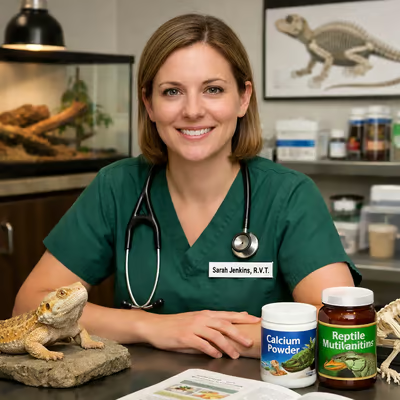
Sarah Jenkins is a Registered Veterinary Technician (RVT) specializing in reptile nutrition. Driven to prevent Metabolic Bone Disease, she combines veterinary science with practical feeding strategies to ensure your exotic pets thrive.