

Ask ten ferret owners what a ferret costs and you’ll get ten different numbers. That’s usually because most of them stopped counting after year one.
The honest answer: a ferret typically costs $50 to $500 to buy, $300 to $700 to set up, and $700 to $1,500 a year to maintain. Add it up across a 6- to 10-year lifespan — including food, routine vet care, and the health issues that tend to show up after age three — and most owners land somewhere between $3,000 and $6,000 or more.
How Much Is a Ferret to Buy? Rescue vs. Pet Store vs. Breeder
Where you get the ferret matters a lot. Expect to pay $50–$300 from a shelter or rescue, $150–$400 from a pet store, or $100–$500 from a private breeder. Adoption fees are consistently lower than retail, and breeder prices swing widely depending on lineage, color, and age. Chewy’s ferret cost guide goes deeper into these ranges if you want a closer look.
Shelter and rescue ferrets are often the best deal by a fair margin. Many come already spayed or neutered, vaccinated, and vet-checked — services that would add $150 or more on top of a pet-store or breeder price. Nonprofit ferret rescues typically frame their fee as a donation rather than a sale price, and some scale it by age — younger kits carrying a higher ask than adults.
Pet store ferrets — from Petco, PetSmart, and regional chains — come from large commercial breeding operations. Convenient, and usually already altered, but you get very little visibility into their genetic background. That matters: certain lines carry a higher lifetime risk for the endocrine diseases covered later in this guide.
Why the Cheapest Ferret Isn’t Always the Cheapest Long-Term
The purchase price and the lifetime cost are two completely different conversations. A ferret bought cheap from an operation that doesn’t screen for genetic health can end up costing thousands more in vet bills than a pricier one from a breeder who does. Genetics aren’t a guarantee either way — they’re one piece of the picture — but it’s worth thinking about the source, not just the sticker price.
📌 Good to Know: Ask any breeder or store directly whether their ferrets are already altered, vaccinated, and descented. If those services aren’t included, you’ll need to budget for them separately — see the spay/neuter line in the setup cost table below.
How Color and Age Change the Price
Color and pattern move the price around more than most people expect. Standard sable and albino ferrets sit at the lower end. Cinnamon, champagne, and chocolate-colored ferrets often run $100–$200 more because they’re rarer in breeding lines. Age factors in too: kits (baby ferrets under a few months old) are usually priced higher than adults, since most buyers want to start young.
First-Year Setup Costs: What You Need Before Your Ferret Comes Home
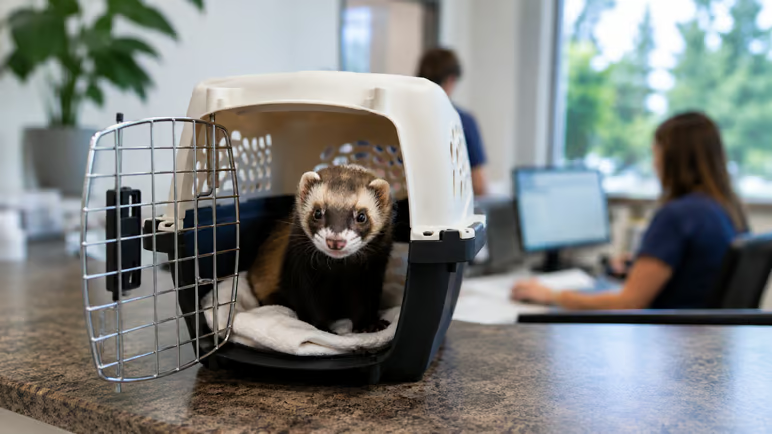
Budget $300–$700 for one-time setup before your ferret’s first night home. This is where most new owners get blindsided — it’s easy to price out the animal and completely forget everything that needs to surround it.
| Item | Typical Cost |
|---|---|
| Multi-level cage | $100–$300 |
| Bedding and hammocks | $30–$60 |
| Litter box and litter | $25–$60 |
| Food and water bowls | $15–$30 |
| Carrier for vet visits | $20–$40 |
| Starter food | $15–$40 |
| Toys and tunnels | $20–$60 |
| Ferret-proofing supplies (gates, cord covers, cabinet locks) | $50–$200 |
| First vet exam and core vaccines | $75–$200 |
| Spay/neuter (if not already done) | $0–$300 |
| Total setup cost | $300–$700 |
Don’t buy a starter cage planning to upgrade later — you’ll just spend that money twice. The cage is the single biggest setup line item, and replacing an undersized one within the first year is an avoidable expense. Ferrets need genuine vertical and horizontal space to climb, dig, and burrow. A cramped cage isn’t just uncomfortable; it’s behind a lot of the biting and destructive behavior that makes new owners think they got a “difficult” ferret.
This Guide recommends you the best minimum ferret cage dimensions.
How Much Do Ferrets Cost Per Month and Per Year?
Plan on $60–$125 a month, or $700–$1,500 a year, for a healthy adult ferret. That covers food, litter, routine vet care, and basic supplies — before anything unexpected comes up.
| Expense | Per month | Per year |
|---|---|---|
| Food | $15–$40 | $180–$400 |
| Litter | $10–$25 | $120–$250 |
| Toys and replacement bedding | $10–$25 | $100–$240 |
| Flea prevention | $5–$15 | $60–$150 |
| Annual wellness vet visit | — | $75–$200 |
| Optional pet insurance | $15–$50 | $180–$600 |
| Total | $60–$125/mo. | $700–$1,500/yr. |
Food is the most predictable ongoing cost. Ferrets are obligate carnivores — their bodies run on meat protein and fat, not the grain-heavy fillers in cheap kibble. Spending more on a quality, meat-first diet isn’t a premium upgrade; it’s one of the few costs that directly affects how often you’re back at the vet. For the full breakdown on protein requirements and what to avoid, see our ferret diet guide.
Keeping two ferrets — which is common, since they’re a social species that genuinely does better with a companion — won’t double every cost. Cage, toys, and bedding get shared. Food, litter, and vet costs roughly double.
💡 Expert Tip: Buy litter and food in the largest size your ferret will go through before it expires, not the smallest bag on the shelf. Ferrets are picky about sudden brand changes, and switching mid-bag to save money often triggers digestive upset that costs more in vet visits than the bulk discount saved.
Is It Legal to Own a Ferret Where You Live — And Does It Cost Extra?
Ferrets are legal to own in 48 U.S. states. California and Hawaii maintain full statewide bans. California treats ferret possession as a wildlife-law issue, not a permit gap — keeping, importing, selling, or transporting a ferret is prohibited outright. Getting caught means confiscation and misdemeanor charges, not a fine you can settle and move on from.
Hawaii’s ban ties to the state’s rabies-free status rather than wildlife concerns, and enforcement is taken seriously there. Neither ban is worth testing. LegalClarity’s ferret law breakdown is a useful starting point, but your state’s wildlife or agriculture department has the final, current word.
California classifies ferrets as a restricted species. The California Department of Fish and Wildlife requires a permit to import, transport, or possess any restricted animal under those rules. See their Restricted Species Permits page for the current requirements and process.
Even in states where ferrets are legal, local ordinances can override the state rule. New York is the clearest case: the state allows ferrets, but New York City still doesn’t — a ban that has held despite repeated attempts to overturn it. Similar city-level restrictions exist elsewhere regardless of what the state law says. Check your specific city and county before you budget for a ferret, not just your state.
States That Charge a Ferret Licensing or Permit Fee
A handful of states don’t ban ferrets but do require a permit or license — a small but real addition to your budget:
- New Jersey, Rhode Island, and Virginia each require a permit before you can legally keep a ferret.
- Georgia doesn’t charge a flat permit fee but requires neutering by seven months of age and proof of rabies vaccination instead.
- Wisconsin’s rules vary by municipality, and bringing a ferret into the state requires an import permit from the state’s agriculture department.
Permit and licensing fees tend to be modest — often under $30 a year where they apply — but they do affect your real cost of ownership. Skipping the paperwork can mean a significantly larger fine down the line. Check directly with your state’s department of agriculture or wildlife services, because these rules change.
📌 Good to Know: If you’re moving to a state with different ferret laws, check before you pack. Bringing a ferret into California is a violation the moment you cross the state line. There’s no grandfathering-in for a pet you already own.
If you need a broader breakdown of exotic-pet rules, see for a state-by-state exotic pet permit guide map and linked regulations.
The Vet Bills Most Guides Leave Out: Ferret Health Costs by Life Stage
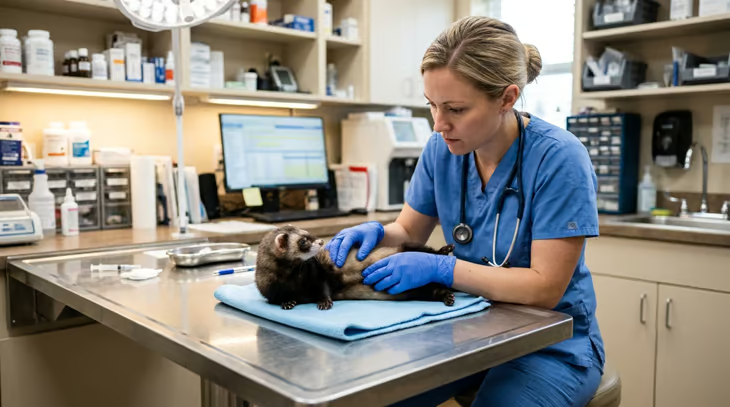
Most cost guides stop at the annual wellness visit. That’s not where the real money goes. Ferrets are prone to a specific set of diseases that become common in middle age — and those are what drive most of the lifetime cost. This is where the “$500 pet” framing falls apart, and it rarely registers until year three or four when the first real bill arrives.
The first two or three years are usually the cheapest: routine food, litter, one annual vet visit. Past age three or four, the odds of an expensive diagnosis climb fast. By the senior years — most ferrets live 6 to 10 years — managing at least one chronic condition is the norm, not the exception.
The Two Diseases That Drive Up Lifetime Cost
Adrenal disease is extremely common in ferrets over three years old. The adrenal glands overproduce sex hormones, and the typical signs are hair loss, an enlarged vulva in females, and increased aggression. Management usually means either a hormone-suppressing implant — which needs periodic replacement — or surgical removal of the affected gland.
Adrenal implants are a common management option for ferrets, but replacement timing and cost vary by product and patient, so confirm the current schedule and fee with a licensed exotic vet before budgeting.
Insulinoma — a tumor of the insulin-producing cells in the pancreas — is the other condition that keeps showing up in ferrets past middle age. It causes chronically low blood sugar and is typically managed with medication, blood glucose monitoring, and dietary changes, sometimes alongside surgery. Costs vary a lot depending on severity, but ongoing bloodwork and medication accumulate over months and years.
For a full breakdown of symptoms, treatment options, and long-term management, see our Insulinoma in Ferrets guide.
Intestinal blockages are another major cost driver — but mechanical rather than age-related. Ferrets are notorious for chewing and swallowing foam, rubber, and soft plastic, and a blockage can mean emergency surgery at any age. Thorough ferret-proofing, covered in the setup-cost table earlier, is genuinely the cheapest form of insurance against this one.
Is Pet Insurance Worth It for a Ferret?
Ferret-specific pet insurance exists, but the pool of insurers is smaller than for dogs and cats, and premiums generally run $15–$50 a month. Given how common and expensive adrenal disease and insulinoma are past middle age, it’s worth pricing out early. Read the exclusions carefully though — many policies won’t cover conditions considered hereditary or those already showing early signs at enrollment. A dedicated ferret savings fund, started the day you bring your ferret home, does the same job without those exclusions, and it’s what a lot of exotic-pet owners use instead.
Some exotic-pet insurance plans do cover ferrets. AEMV notes these policies may include accidents, illness, exams, prescriptions, lab work, x-rays, hospitalization, and sometimes wellness care — though exclusions and pre-existing-condition rules still apply and matter a lot.
For a veterinary-focused overview of what exotic-pet coverage typically includes, see the AEMV exotic pet health insurance overview.
Realistic Lifetime Cost of Owning a Ferret
Add it all up across a 6- to 10-year lifespan — purchase price, setup, years of routine care, and at least one significant health event — and most owners land somewhere between $3,000 and $6,000. Ferrets that develop adrenal disease or insulinoma and are managed for several years often push the higher end of that range or past it.
| Stage | Typical range |
|---|---|
| Purchase price | $50–$500 |
| First-year setup | $300–$700 |
| Annual cost, years without major illness | $700–$1,500/yr. |
| Major illness management (adrenal disease or insulinoma, over remaining years) | $1,000–$3,000+ |
| Estimated total lifetime cost | $3,000–$6,000+ |
For a deeper look at how these numbers stack up year by year, Ferret-World’s cost breakdown goes further into the math. The numbers above aren’t there to scare anyone off — they’re there to replace the “$500 pet” framing that catches a lot of new owners off guard around year four, when the first real vet bill arrives and nothing has been set aside for it.
How to Budget for a Ferret Without Cutting the Corners That Matter
A few moves genuinely reduce the total cost without cutting anything that matters:
- Adopt from a rescue when possible. Lower purchase price, and altered/vaccinated ferrets skip several hundred dollars of setup vet costs.
- Buy the cage right the first time. A cheap, undersized cage you replace within a year costs more than a good one bought once.
- Food quality isn’t the place to cut. A meat-first diet is one of the few controllable factors in reducing digestive and dental problems later.
- Start an emergency fund on day one, even a small automatic monthly transfer. By the time adrenal disease or insulinoma shows up, you want that fund already built.
- Skipping the ‘fine’ visit is the expensive mistake. Catching disease early is consistently cheaper, and easier on your ferret, than catching it at a crisis point.
A ferret isn’t a pet you budget for once and forget. The real answer to what ferrets cost isn’t the $50–$500 sticker price — it’s the $700–$1,500 a year that keeps running, plus whatever the later years bring health-wise. If that ongoing number would genuinely strain your finances, or a four-figure vet bill at year four would be a serious problem, it’s worth sitting with that now — before you’ve already fallen for one at the pet store window.
Frequently Asked Questions (FAQ)
Should You Get a Ferret?
Ferrets look affordable upfront. The real cost shows up in ongoing care, supplies, and the health issues that become common later. If your budget can handle the monthly basics and absorb an unexpected vet bill, a ferret can be a genuinely rewarding pet. If it can’t, it’s worth knowing that now rather than finding out after year three.
This guide covers typical U.S. pricing and general legal information as of 2026 and isn’t a substitute for advice from a licensed exotic-animal veterinarian or your local wildlife or agriculture department. Costs, permit requirements, and legality can change, and they vary by clinic, region, and individual ferret. Confirm current figures before making a purchase or adoption decision.
REVIEWED BY: Christina Koch, RVT, for clinical accuracy. Information reflects current understanding as of August 14, 2026
Sarah Jenkins is a Research-based exotic pet nutrition and health writer, specializing in evidence-based feeding practices and deficiency-prevention topics (e.g. Metabolic Bone Disease) in reptiles and small mammals. She writes Petwikia’s diet and supplementation content.