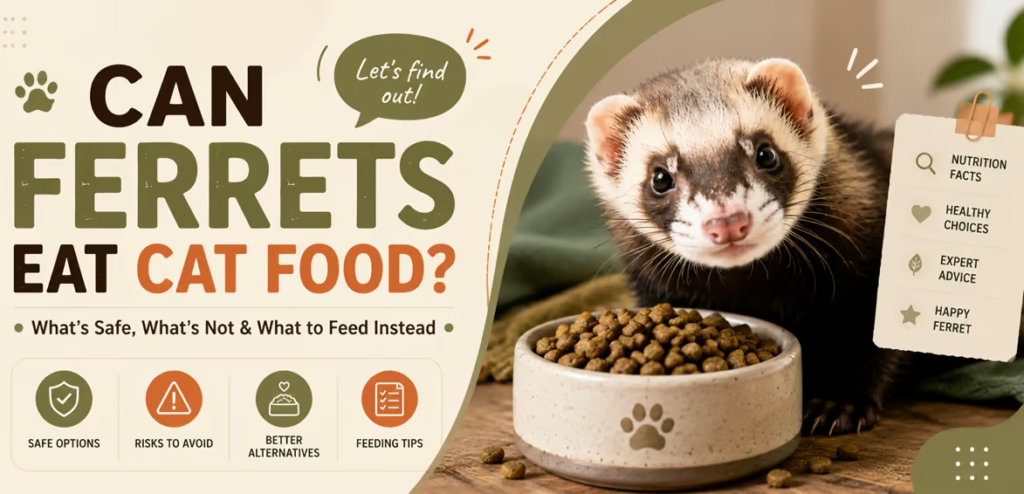
A ferret will eat cat food without hesitation — that’s part of the problem. Ferrets aren’t picky about it, which is exactly why so many owners assume it must be fine. In a genuine pinch, a premium kitten formula for a day or two won’t hurt a healthy adult ferret. As a regular diet, though, cat food comes up short on the protein and fat a ferret’s body actually runs on, and that shortfall builds quietly over months, not days.
Ferrets can eat a small amount of cat food without immediate harm, but it shouldn’t replace a ferret-formulated diet. Ferrets need roughly 30–40% protein and 15–20% fat from animal sources, while most adult cat foods fall short of that range. Premium kitten food is a better short-term backup than adult cat food, but it is still not a true ferret diet.
📌 Good to Know: This guide covers feeding cat food to a healthy adult ferret. If your ferret has insulinoma, adrenal disease, or another diagnosed condition, talk to an exotic vet before changing anything.
Most owners ask this question at the worst possible moment: the ferret food bag is empty and the cat bowl is right there. The short answer is that cat food can work once, but it’s not the plan.
Can Ferrets Eat Cat Food? The Short Answer
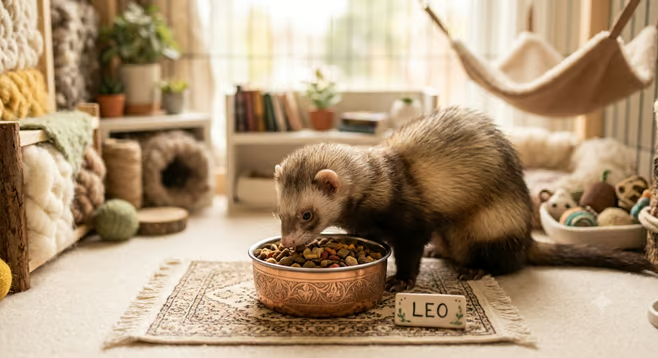
A ferret can eat cat food for a meal or two without getting sick, but it isn’t built for a ferret’s body long-term. Ferrets are obligate carnivores with an unusually short, fast digestive tract — food moves through in about three to four hours. That leaves almost no time to extract nutrients from anything but animal protein and fat, which is exactly what most cat food doesn’t deliver enough of.
Cats are obligate carnivores too, so the two diets look similar on a shelf. But a cat’s minimum needs and a ferret’s minimum needs sit far enough apart that “close enough” for one is a real shortfall for the other. That gap is the whole answer to this question, and it’s worth actually seeing in numbers.
Why Cat Food Falls Short for a Ferret
The mismatch comes down to three things on the label: protein, fat, and carbohydrate. Ferret food is built around all three; cat food usually isn’t. Most cat food only addresses two, and even those two run lower than a ferret needs.
Ferrets Need More Protein Than Cats Do
Veterinary sources, including VCA Animal Hospitals and NC State’s veterinary hospital, put a healthy adult ferret’s protein requirement at roughly 30–40%, sourced from real meat, poultry, or fish — not plant-based fillers like pea or corn protein. AAFCO’s own nutrient profile sets the minimum for adult cat food at just 26% protein.
That six-to-fourteen-point gap doesn’t sound dramatic until you picture it compounding across every meal, every day, for months. A ferret eating minimum-spec adult cat food isn’t getting no protein — it’s running on the low end of what a cat needs, which already sits below what a ferret needs even at rest.
The Fat Gap Matters Just as Much
Ferrets get most of their working energy from fat, not carbohydrate — the opposite of how most mammals are built. A ferret diet should run 15–20% fat, and AAFCO’s adult cat food minimum is just 9%. Kitten food narrows this gap somewhat but still isn’t formulated to close it.
Low fat shows up fastest in the coat, and it’s the sign owners misread most. A dull, slightly greasy coat gets written off as ‘just how this ferret is’ far more often than it gets connected to the food bowl. Switch to a proper ferret diet, and that same coat is usually thick and glossy again within a few weeks. The fat was never cosmetic. It was the missing energy source the whole time.
Ferrets Can’t Handle the Carbs in Cat Food
This is the piece most “can ferrets eat cat food” answers skip entirely, and it’s the one that matters most. Ferrets can’t digest fiber or starch well — their gut has no cecum to ferment plant matter, so carbohydrate largely passes through undigested or converts to glucose fast. Cat food, especially kibble, needs some starch as a binder to hold the pellet shape, which means even a “grain-free” cat food usually carries more carbohydrate than a ferret’s diet should.
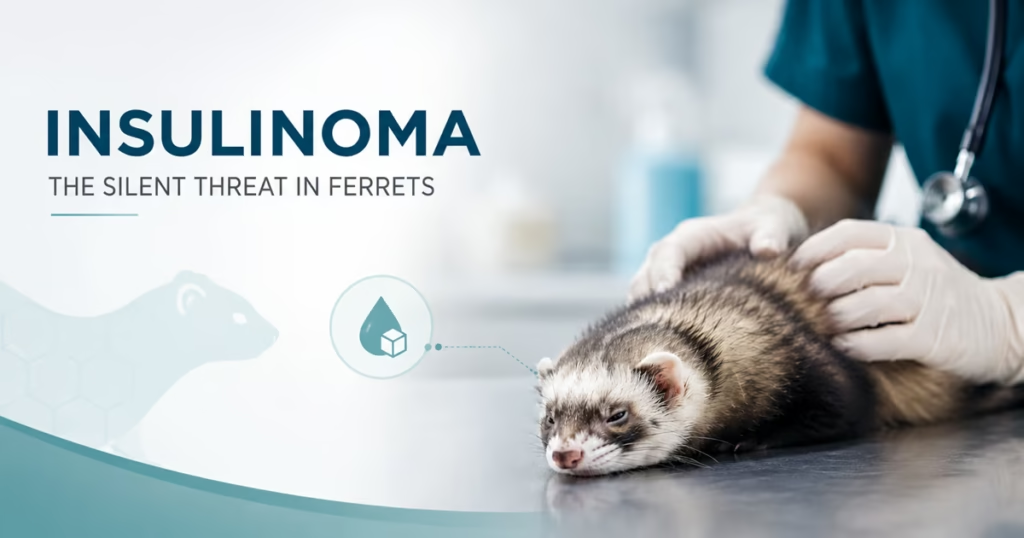
Veterinary researchers have proposed that this carbohydrate load is one reason insulinoma — a common and serious pancreatic tumor in American pet ferrets — shows up far more often in ferrets fed high-carb commercial diets than in ferrets fed low-carb, meat-based diets abroad. The exact mechanism isn’t settled, and diet alone doesn’t explain every case, but the association is documented well enough that most exotic vets treat it as a real reason to keep carbs low.
Can Ferrets Eat Wet Cat Food or Canned Cat Food?
Wet cat food is a reasonable short-term option, especially if a ferret is sick, elderly, or dehydrated. It still doesn’t solve the protein and fat gap, so it should only be a bridge until proper ferret food is available.
Wet cat food doesn’t fix the underlying protein and fat gap — it just delivers the same imbalanced numbers in a softer, wetter form. Check the label the same way you would for dry food, and reach for a wet kitten formula over a wet adult formula if you have a choice. A few meals of wet cat food is fine; using it as the everyday bowl carries the same long-term risks as dry cat food.
Kitten Food vs. Adult Cat Food — Why the Difference Matters
Not all cat food misses a ferret’s needs by the same margin, and that distinction gets lost in most flat “no” answers. Kitten food is formulated for a fast-growing animal, so it runs higher in both protein and fat than adult cat food — closer to what a ferret actually needs, even though it’s still not a ferret-specific formula.
| Food Type | Minimum Protein | Minimum Fat | Best Ferret Use |
|---|---|---|---|
| AAFCO adult cat food | 26% | 9% | Single emergency meal only |
| AAFCO kitten food | 30% | 9% | Short-term backup only |
| Ferret-formulated food | 30–40% | 15–20% | Everyday diet |
If you’re standing in front of the cat food shelf with no ferret food available, reach for a premium, grain-free kitten formula first. It won’t match a real ferret diet, but it’s meaningfully closer than anything in the adult cat aisle, and it’ll hold your ferret over until you can restock.
Learn more about how to select the best ferret food brands to keep your pet healthy and active.
What Happens If a Ferret Eats Cat Food Long-Term
An under-spec diet doesn’t cause immediate harm, but the effects build steadily over weeks to months. Nothing goes wrong on day one, which is exactly why this mistake is so easy to make and so easy to miss.
This isn’t a substitute for an exotic vet’s diagnosis. If your ferret’s coat, energy, or bathroom habits have changed and you’re not sure why, that’s worth an actual exam rather than a diet guess from an article.
Reading a Cat Food Label Like a Ferret Owner
You don’t need to memorize brands to judge whether a bag is even worth considering for your ferret. Flip to the guaranteed analysis panel and check three things.
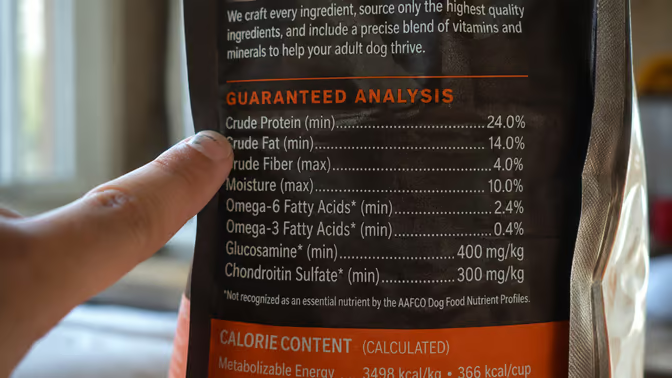
Most adult cat food fails at least one of these checks. Most kitten food clears the protein bar but still comes up short on fat. No cat food — kitten or adult — is going to pass all three the way a ferret-formulated food does by design. That’s the takeaway to carry to the shelf.
What to Feed Instead
A proper ferret diet comes down to two real options, both built on animal protein and fat. It isn’t complicated once you know what to look for — it just needs to actually be built for a ferret, not adapted from a cat’s bag.
Common Mistakes Owners Make With Emergency Feeding
The one-time emergency meal usually isn’t where things go wrong. It’s what happens after.
If cat food is showing up in the bowl more than occasionally, that’s worth a call to an exotic vet. Ferret nutrition is specific enough that guessing tends to create more problems than it solves.
So can ferrets eat cat food? Once, in a real pinch, yes — without much worry. Every day, no. The gap between 26% protein and 30–40% is exactly the kind of thing that doesn’t show up on day one and does show up six months later, in a coat, a vet bill, or both.
If your ferret has been eating cat food for a while and you’re wondering whether the damage is already done, that’s a fair thing to sit with. It’s also very fixable. Most ferrets bounce back quickly once the protein and fat numbers are actually right.
What’s actually in your ferret’s bowl right now — the label you’d want to double-check tonight, or the one you’re not sure about?
Frequently Asked Questions
This guide is for general educational purposes only and isn’t a substitute for an individual exam or diet plan from a licensed exotic veterinarian. Always check with a vet familiar with ferrets before making major changes to your pet’s diet.
REVIEWED BY: Christina Koch, RVT, for clinical accuracy. Information reflects current understanding as of August 14, 2026
Sarah Jenkins is a Research-based exotic pet nutrition and health writer, specializing in evidence-based feeding practices and deficiency-prevention topics (e.g. Metabolic Bone Disease) in reptiles and small mammals. She writes Petwikia’s diet and supplementation content.